

Why a Solid Brand Foundation Is Your Greatest Strength Before Funding, Operations or Launch
Starting a business requires more than funding and a good idea. Discover why branding for startups in South Africa should come before web design and marketing, and how a structured brand foundation improves clarity, credibility and long term growth.
Categories:
Date Posted:
February 25, 2026


Starting a new business is exhilarating. It feels like potential. Like possibility. Like this could be the thing that changes everything.
Most founders begin with the essentials. The idea comes first. Then the business plan. Then the spreadsheets. Cash flow projections. Funding discussions. Supplier negotiations. Registrations. Compliance. Operations. There is a long list, and every item feels urgent.
And they are important. Finance matters. The product or service must solve a real problem. Operations must function. Legal structures must be in place.
But there is one foundational layer that often gets rushed or postponed unti ltams are “ready” or a product has gone to market to test the waters.
The brand.
In South Africa, entrepreneurship is not just fashionable, it is necessary. New businesses create opportunity and movement in a competitive economy. Yet for every startup that gains traction, several quietly lose momentum.
It is rarely because the founder lacked drive. It is rarely because the idea had no merit.
More often, the problem lies beneath the surface. In clarity. In positioning. In how the idea has been translated into the real world.
Here’s the uncomfortable truth. A strong idea on paper does not automatically become a strong business in the market. Brand building is what expands that idea into something customers understand, trust and choose.
Brand is not just about a logo. But that is what people are going to remember
It is about structure. Strategy. Perception. Identity. It is how your business moves from concept to credibility. Before marketing campaigns. Before sales decks. Before a website goes live. If you are building something new, your brand foundation is not a finishing touch. It is your starting strength.
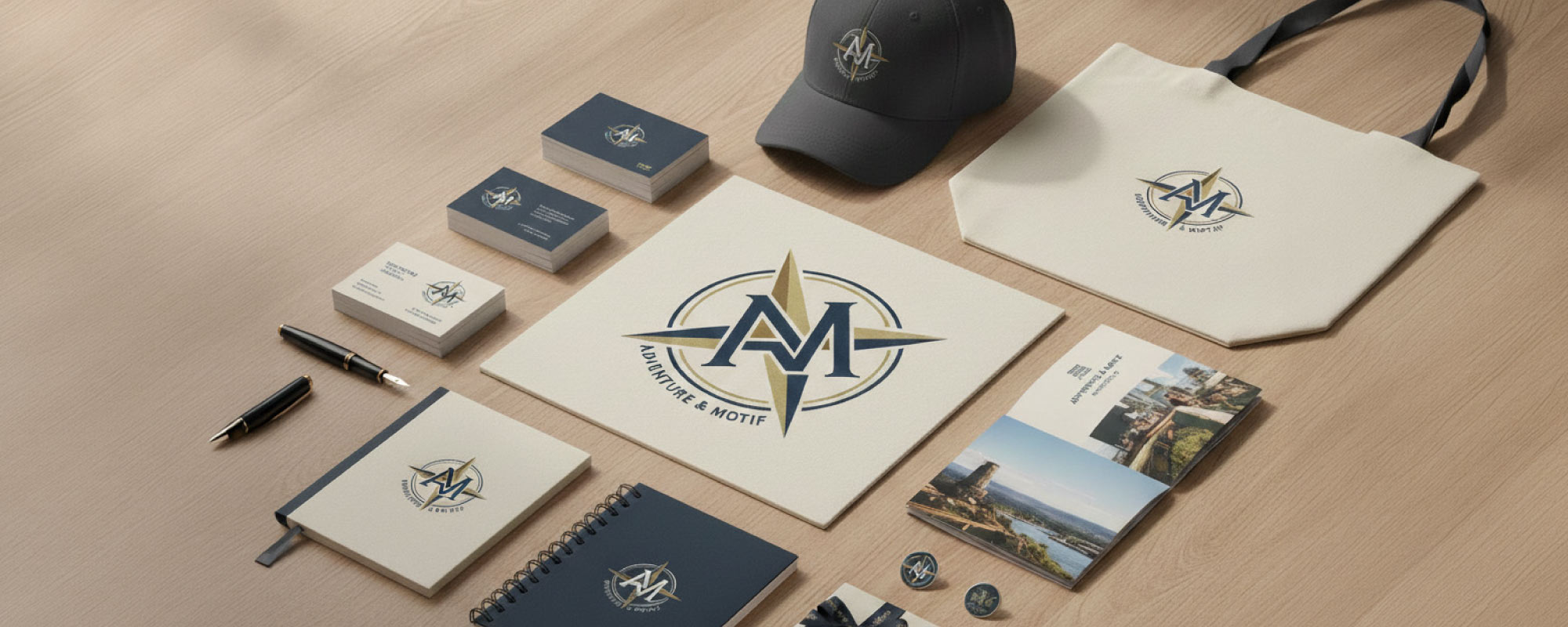
Your brand is more than just your logo.
Let’s clear up one of the biggest misconceptions in business. Most people still believe the logo is the brand. So when they launch a startup, the first priority becomes getting a logo designed. Hours are spent exploring fonts, colours and symbols. It must feel modern, or premium, or bold, or disruptive. The thinking is that once the logo looks right, the brand will somehow fall into place.
It feels productive. It feels like progress. But it is only one piece of a much larger system.
A logo is important. It is a unique piece of art that belongs to your business. It becomes the visual anchor of your identity. Over time, it carries recognition and recall. But it is not your positioning. It is not your personality. It is not your values, your messaging, your culture or your customer experience. Without strategic clarity behind it, a logo becomes decoration rather than direction.
This is why we so often meet founders who say, “We have a logo, but something feels off.” What feels off is not the artwork itself. It is the absence of strategic thinking beneath it. There is no defined narrative. No clear positioning in the market. No structured voice guiding communication. The visual identity exists on its own, disconnected from the business strategy. And customers pick up on that inconsistency quickly, even if they cannot articulate it.
What We Actually Do in Phase 1: Building the Brand Before Designing It
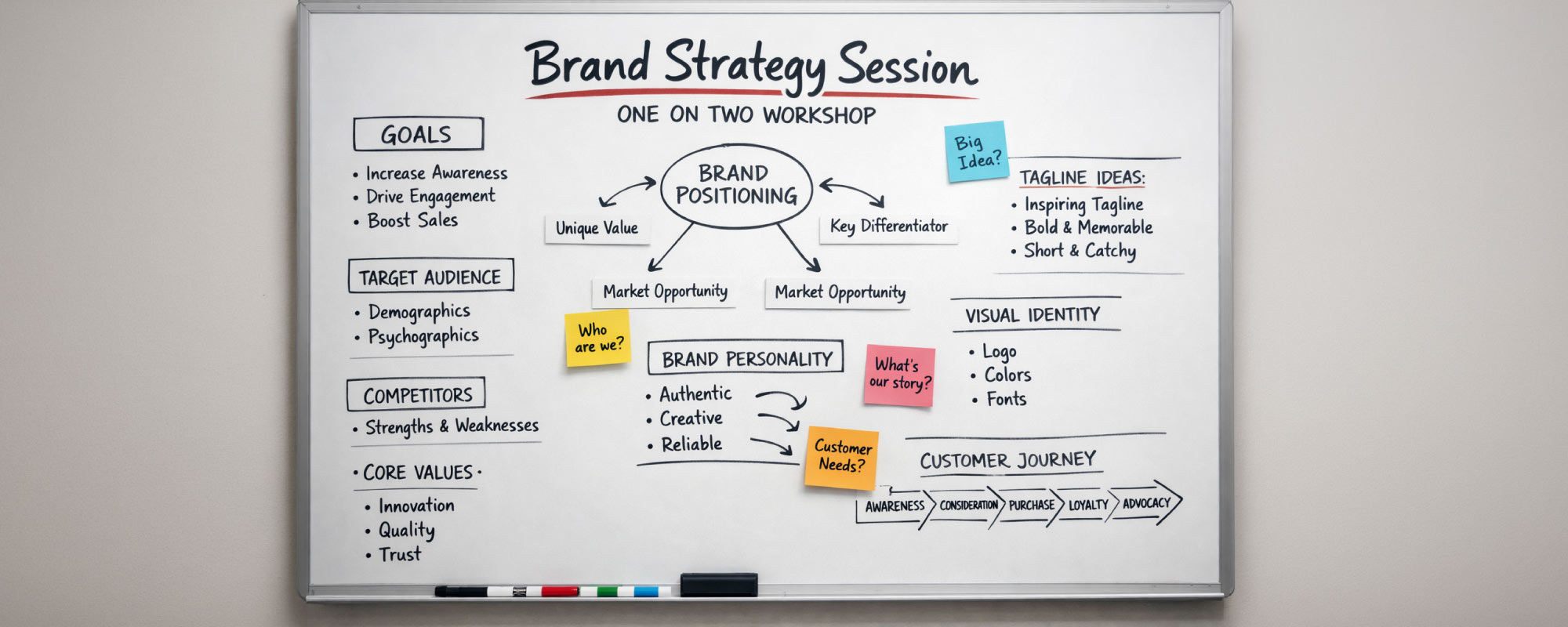
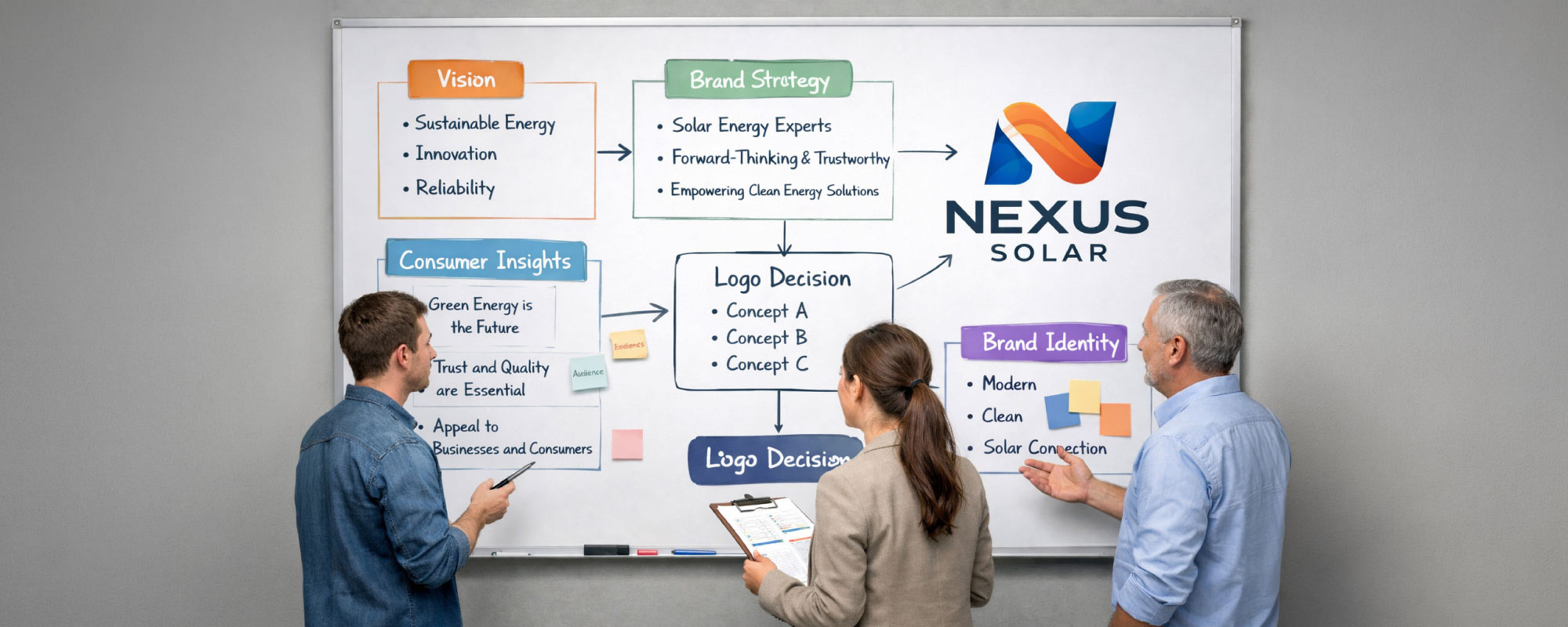
At Fort Hartley, we approach branding in a very deliberate way. We separate strategy from aesthetics because one must inform the other. Phase 1 is not about jumping into design. It is about deeply understanding your business before we ever open a design file.
This process begins with structured workshops and strategic conversations. We unpack your idea thoroughly. We explore why the business exists beyond making money. We discuss your long term vision, your growth ambitions and what success looks like in five or ten years. We analyse your target audience and examine your competitive landscape. We ask difficult questions about what genuinely differentiates you rather than what simply sounds good.
We want to understand the full picture. Your dreams. Your goals. Your fears about the market. The realities of your industry. The perception gaps that may exist. All of this feeds into defining your positioning and your brand essence.
Only once that strategic foundation is clear do we move into developing the identity. At that point, design becomes intentional rather than experimental. It becomes a reflection of strategic clarity rather than a guessing game.
The Brand Guideline: The System That Makes It All Work
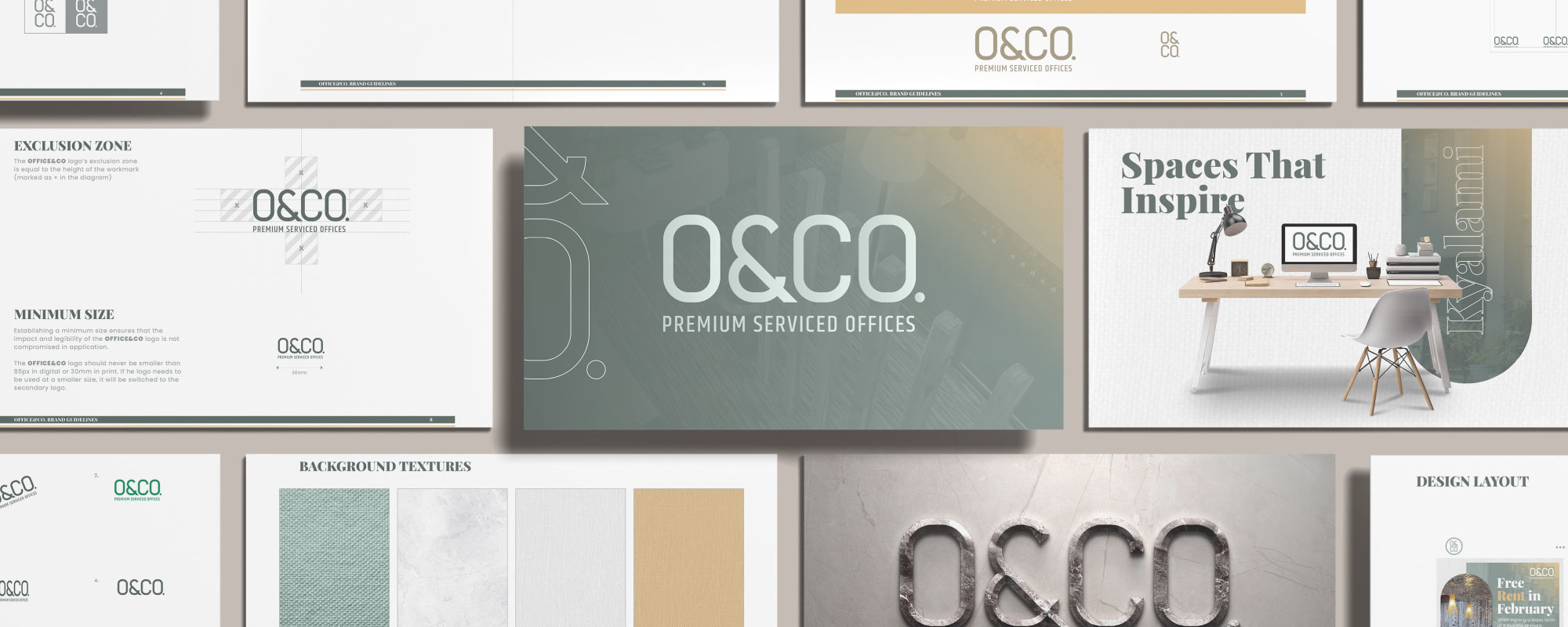
Once Phase 1 is complete and the strategic direction is defined, we develop what many people assume is the “brand” itself, the look and feel. But even here, we treat it as a system rather than a single visual mark.
Yes, the logo is central. It is that unique piece of art that becomes the recognisable symbol of your business. It forms the base of your visual identity. But it does not stand alone. Around it sits a carefully developed colour palette that supports your positioning and emotional tone. A defined typography system ensures that every communication piece feels cohesive. Layout principles guide how design elements are structured across platforms. Image usage rules establish a consistent visual language. Tone of voice guidelines shape how your brand speaks, whether on your website, in a proposal or on social media.
All of this is captured in a comprehensive brand guideline document. This becomes your internal reference point and your external standard. It ensures that as your business grows, your brand remains consistent and recognisable. It allows designers, marketers and internal teams to apply the brand correctly without diluting its strength.
Without this system, branding becomes subjective and inconsistent. With it, your business presents itself with confidence and cohesion.
Why Strategy Before Design Changes Everything
When a logo is created without positioning, it often lacks depth. It may look good, but it does not carry strategic weight. It does not reinforce a clear message or speak directly to a defined audience. Over time, that disconnect creates friction. Marketing feels harder than it should. Messaging shifts. Visual tweaks become constant.
When strategy comes first, design becomes powerful because it has purpose. The visual identity reflects your market position. The tone aligns with your audience. The brand experience feels intentional rather than accidental.
This is why we treat Phase 1 as foundational work, not an optional extra. The logo matters. It is yours. It will represent your business for years. But it should be the result of strategic clarity, not the starting point.
Because when the thinking is solid, the design carries meaning. And when the brand is built properly from the ground up, everything that follows, from website design to marketing campaigns to investor presentations, becomes stronger.
Brand Is Bigger Than Design, It Is Identity
If we want to move beyond the logo conversation and get to the heart of branding, it helps to look at a framework that has shaped brand thinking globally, Jean-Noël Kapferer’s Brand Identity Prism. It sounds academic at first, but it is remarkably practical. What it shows is simple yet powerful: a brand is not one thing. It is a system of interconnected dimensions that work together to create a complete identity.
The first dimension, physique, is what most startups obsess over. It includes your logo, your colour palette, your typography and your overall design style. It is the visible layer. It is what people see first. But beneath that surface sit deeper elements that are often neglected. Personality defines how your brand communicates. Is it authoritative, conversational, bold, refined? Culture reflects the values and principles driving the business. Relationship speaks to how you interact with customers and what kind of connection you are building with them over time. Reflection captures the image of the audience your brand represents, while self-image considers something even more powerful, how customers feel about themselves when they choose you.
When one of these dimensions is out of sync, the brand feels slightly off. You may not immediately pinpoint why, but the inconsistency shows up in messaging, in customer experience, in how the business presents itself. Perhaps the visuals feel premium but the communication feels casual. Perhaps the values speak about innovation but the behaviour feels conventional. These subtle misalignments erode trust over time.
When all six dimensions align, something shifts. The brand becomes clear, coherent and memorable. Marketing feels more focused because it is guided by defined personality and culture. Design feels intentional because it reflects positioning. Customer engagement becomes stronger because the relationship has been consciously shaped.
Most startups stop at the physique. They polish the visible layer and assume the job is done. Very few take the time to define culture, relationship, reflection or self-image in a structured way. And yet those deeper dimensions are often what differentiate a strong brand from a forgettable one.
So the real question is not whether you have a logo. It is whether you have evaluated your brand through a holistic lens like the Brand Identity Prism. Because if you have not, you may be building something that looks complete on the outside but lacks stability underneath.
Trying to Be Everything to Everyone, And Paying for It Later
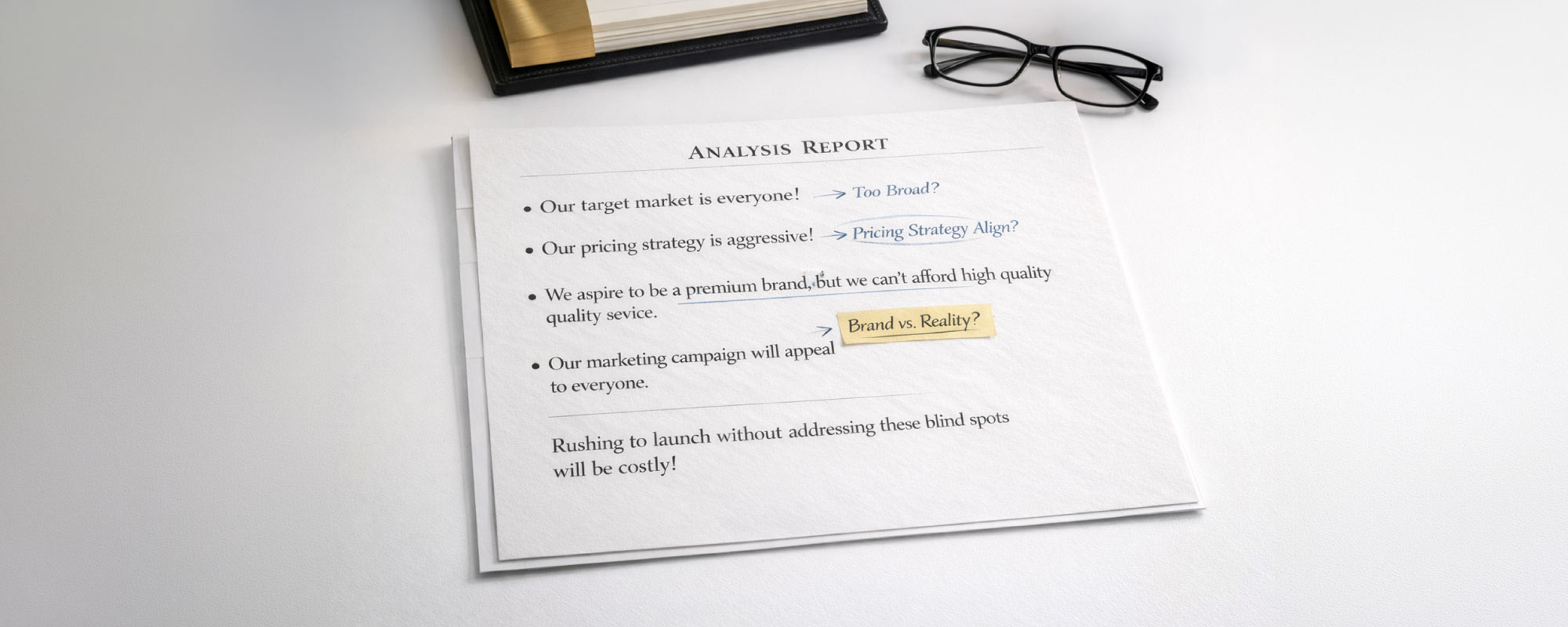
One of the most expensive mistakes we see in the South African startup space is vague positioning disguised as ambition. Founders want reach. They want scale. They want as many customers as possible. So the messaging becomes broad and safe. “We help businesses grow.” “We provide innovative solutions.” “We offer quality services.” On paper, it sounds inclusive. It feels commercially smart. In reality, it is forgettable.
When you try to speak to everyone, you end up resonating with no one in particular. Your website reads like every other website in your industry. Your marketing feels scattered because the message shifts depending on who you are speaking to. Sales conversations become reactive rather than confident. And over time, you start adjusting your identity to fit opportunities instead of attracting the right ones from the start.
This is not just a branding issue. It is a cost issue.
Vague positioning leads to wasted ad spend because your targeting lacks clarity. It leads to inconsistent design updates because the visual identity keeps evolving to match changing messages. It leads to rebrands two or three years down the line because the business has outgrown the original thinking. Time is lost. Money is spent correcting what could have been clarified at the beginning.
This is exactly why our research and discovery phase is so critical in a brand build.
Before we touch design, we interrogate the fundamentals. We analyse your audience in depth, not just demographics but behaviours, motivations and expectations. We assess your competitive landscape to identify saturation points and gaps in the market. We stress test your value proposition to see whether it truly differentiates you or simply blends in. We examine your long term vision to identify where the brand needs room to grow.
Often, this process reveals blind spots. Sometimes the target market is too broad. Sometimes the pricing strategy conflicts with the intended positioning. Sometimes the brand aspiration does not match operational reality. Identifying these issues before launch saves significant time and money later. It prevents you from building a website around the wrong message. It avoids marketing campaigns aimed at the wrong audience. It reduces the risk of having to reintroduce yourself to the market after a strategic pivot.
But discovery is not only about avoiding mistakes. It is also about uncovering opportunity.
Through structured workshops and research, we often identify growth avenues founders had not fully considered. Niche segments with stronger potential. Clearer differentiators hidden in plain sight. Messaging angles that create stronger emotional resonance. When positioning is sharpened early, your brand enters the market with direction rather than guesswork.
Clear positioning narrows your focus, and that focus strengthens your appeal. When you know exactly who you serve and why you matter, your messaging becomes precise. Your marketing becomes efficient. Your brand begins to resonate rather than simply exist.
At Fort Hartley, positioning is not an aesthetic decision layered on top of a business. It is foundational thinking that protects your investment. Because surface level branding might look good for a moment, but only strategic clarity sustains growth.
Phase 2: Building a Website That Actually Works
This is exactly why we call website development Phase 2.
We break a brand build into phases on purpose. Not to complicate the process, but to protect it. Phase 1 is about strategy, clarity and positioning. Phase 2 is about translating that clarity into a digital platform that performs. When you collapse those steps into one rushed exercise, you risk building something that looks impressive but lacks direction.
Too many businesses jump straight into website development because it feels urgent. They register a domain, install a WordPress theme and start populating pages. Within weeks, they have something live. It exists. It looks acceptable. But it was built without a strategic backbone.
And that is where problems begin.
A website built without clear brand positioning often turns into a digital brochure. The messaging feels broad. The calls to action lack purpose. The structure does not guide visitors anywhere meaningful. It may be visually appealing, but it does not convert, and it does not support long term growth.
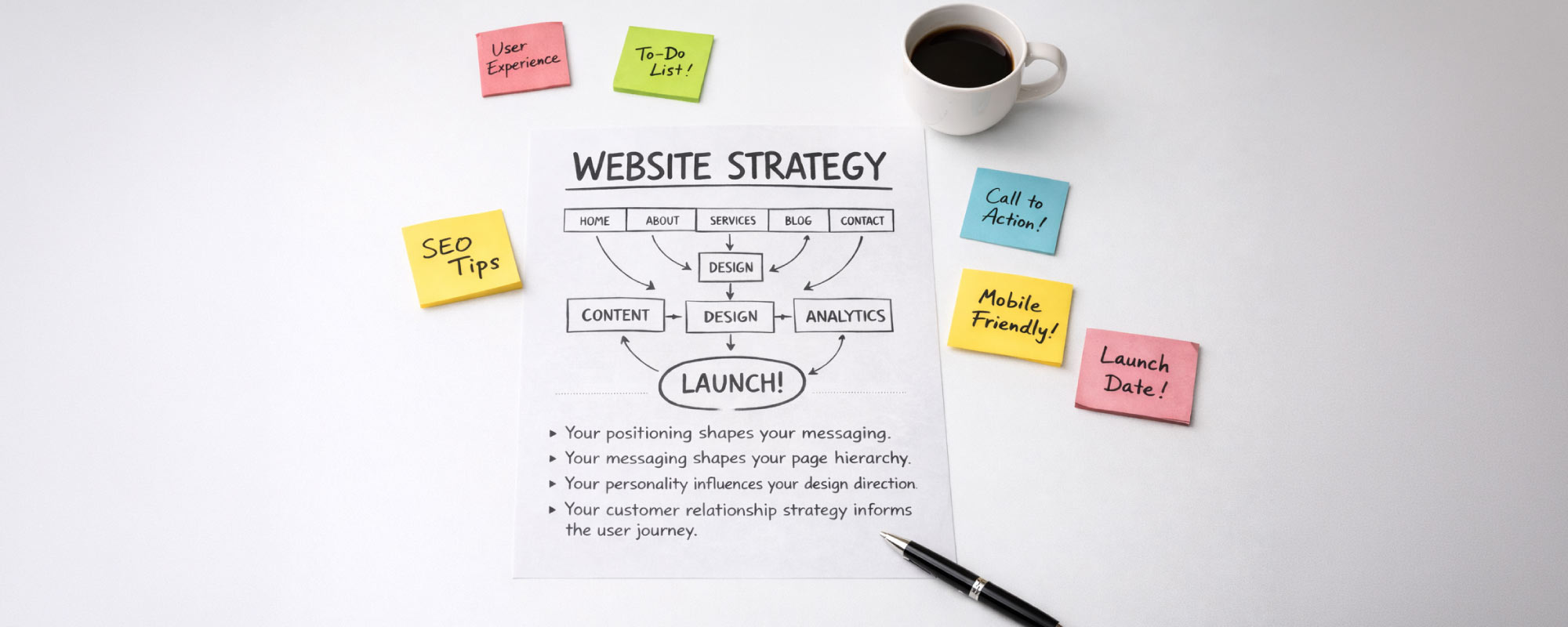
By separating the process into phases, we ensure that Phase 2 is informed by everything established in Phase 1. Your positioning shapes your messaging. Your messaging shapes your page hierarchy. Your personality influences your design direction. Your customer relationship strategy informs the user journey.
We build on WordPress using powerful frameworks like the Avada theme because they give us flexibility, scalability and structural control. But technology is only part of the equation. What matters more is that every design decision is aligned with your business objectives.
A website can be flashy. It can be minimalist. It can be bold and distinctive. The aesthetic is guided by your brand. But whatever direction we take, it must function. Form and function are not separate conversations. They are integrated.
Before we design, we ask what the website needs to achieve. Is it generating leads? Supporting sales conversations? Establishing authority through SEO content? Driving e commerce growth? Once those objectives are clear, we structure the site accordingly. Navigation, layout, calls to action and content flow are all built around outcomes, not decoration.
This phased approach also protects your budget. Instead of spending money on redesigns or structural changes later, we build correctly from the start. SEO is integrated into the foundation, from site architecture to content planning. Your website becomes discoverable, not just present. It becomes an asset that supports brand growth rather than a static online placeholder.
Breaking the process into phases is not about slowing things down. It is about building intelligently. Phase 1 creates clarity. Phase 2 brings that clarity to life in a functional, growth focused digital environment.
The result is not just a website that looks professional. It is a platform engineered to support your business goals and evolve as your brand grows.
Phase 3: Marketing and Advertising That Actually Lands
Once your brand strategy is defined in Phase 1 and your website is built in Phase 2, you are no longer guessing. You are no longer reacting. You have a structured foundation. And that foundation dramatically improves your chances of making an impact when you enter Phase 3, marketing and advertising.
This is where many businesses stumble.
You know what quietly damages credibility? When a brand sounds playful and casual on Instagram, overly corporate on its website and slightly confused in its sales presentations. The tone shifts depending on who is posting, who is pitching or who is writing the copy that week. Customers may not consciously analyse it, but they feel it. Something does not quite connect.
That inconsistency weakens trust.
Marketing is not just about pushing messages out. It is about reinforcing identity over time. If your personality, culture and relationship style, the deeper elements defined in Phase 1, are not clearly articulated, your advertising becomes fragmented. Paid campaigns might promise one thing while your website communicates another. Social media might attract the wrong audience because the tone is misaligned with your true positioning.
When Phase 1 and Phase 2 are done properly, messaging becomes far more focused. You already know who you are speaking to. You understand what differentiates you. Your website reflects your positioning clearly. Your brand guidelines define tone of voice and communication style. Now marketing is not about experimenting with identity. It is about amplifying it.
Consistency does not mean sounding robotic or repetitive. It means coherence. A strong brand can adjust its tone slightly for different platforms while maintaining a recognisable core voice. The message may be adapted for LinkedIn, Instagram or a boardroom presentation, but the personality remains intact.
This is where the real value of the earlier phases becomes clear. Because the strategic thinking has already been done, your marketing budget is spent reinforcing a defined position rather than trying to figure it out on the fly. Your campaigns become sharper. Your ads speak directly to the right audience. Your sales team presents with clarity because the messaging framework already exists.
We often help startups formalise this messaging layer before large scale advertising begins. That small but deliberate step prevents costly confusion later. It ensures that whether you are pitching to an investor in Sandton, launching a Google Ads campaign or rolling out a national awareness drive, the brand feels unified.
And unity builds trust. Trust builds traction. Traction builds growth.
Phase 3 should not be where you discover who your brand is. It should be where you confidently introduce it to the market.
Two Common Founder Misconceptions, And How We Solve Them Early
As startups move from idea to execution, there are two recurring misconceptions we see again and again. Both seem harmless at first. Both quietly limit growth. And both can be corrected if addressed early enough.
1. “If the Product Is Good Enough, It Will Sell Itself”
Many founders focus almost entirely on functionality. The pitch revolves around efficiency, pricing or speed. The messaging sounds something like this: our product is faster, our service is more affordable, our solution is more effective. These claims are valid. They matter. But they are rarely enough on their own.
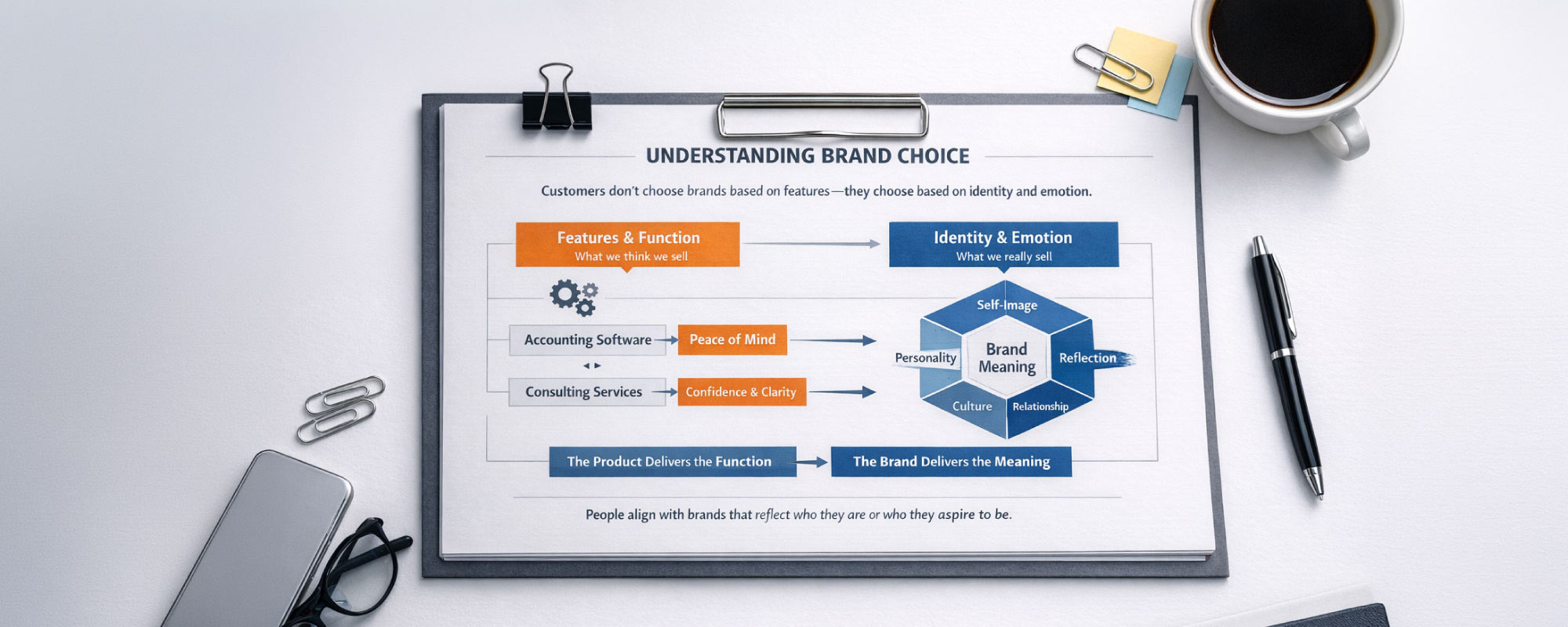
Human decision-making is not purely rational. Customers do not choose brands based only on features. They choose based on identity and emotion, often without consciously realising it. This is where elements like reflection and self-image, drawn from the Brand Identity Prism, become critical. People align themselves with brands that reflect who they are or who they aspire to be.
A founder may believe they are selling accounting software. In reality, they are selling peace of mind. They may think they are offering consulting services. In truth, they are offering confidence and clarity. The product delivers the function, but the brand carries the meaning.
When this emotional layer is ignored, the business ends up competing primarily on price or specifications. That type of competition becomes exhausting and unsustainable. Margins shrink. Marketing becomes louder. Differentiation fades.
Our role in the brand build process is to identify and articulate that deeper emotional positioning. Through research, workshops and structured strategy sessions, we uncover not just what you do, but what your customers feel when they choose you. We then shape your messaging, tone and visual identity to support that emotional context. This is not about exaggeration or hype. It is about insight. And insight, applied early, creates brands that resonate rather than merely operate.
2. “We’ll Sort Out Branding Once We’re Making Money”
The second misconception is timing. Many founders believe branding can wait. The thinking is that once revenue stabilises or funding comes through, then proper strategy can be addressed. Until then, the focus stays on operations, product development and short term sales.
In practice, this delay often leads to more complex problems.
When branding is not structured from the beginning, messaging evolves randomly. Visual elements change as the business experiments. Different teams interpret the brand differently. Marketing campaigns are built without a clear strategic anchor. Over time, the brand becomes fragmented. At that point, a rebrand is not just a design update, it becomes a correction exercise.
Investors notice inconsistency. Customers notice confusion. Internal teams feel the lack of direction.
When brand development is addressed early, it acts as a compass. It guides marketing campaigns. It informs hiring decisions. It shapes partnerships. It provides criteria for growth decisions. Instead of reacting to market pressure, the business moves with intention.
Through our phased approach, we ensure that these foundational decisions are made before they become expensive to fix. We identify potential positioning conflicts, messaging gaps and strategic weaknesses during the discovery stage. That early clarity saves time. It saves money. It reduces the likelihood of disruptive changes later.
Foundations are always less costly than corrections. When brand strategy is treated as a starting point rather than a future upgrade, the business enters the market with structure instead of guesswork. And that structure supports sustainable growth from the outset.
The Team Your Startup Needs, Not Just Another Service Provider
Here is the reality many founders only realise later. You should not be building your startup alone. And one of the biggest mistakes a founder can make is believing they can do everything themselves.
You are the visionary. The risk taker. The person who saw the opportunity before anyone else did. That passion is powerful. It is necessary. But it also makes it difficult to step back and view your business objectively. Branding, positioning and strategic clarity require distance. They require experience. They require structured thinking that goes beyond instinct.
That is where we come in.
At Fort Hartley, we have worked on over 150 startups across 14 years. Many of those businesses are still operating, still growing, still evolving. That longevity is not accidental. It is the result of building solid foundations from the beginning. We have seen patterns. We have seen what works in the South African market and what quietly fails. We have helped founders avoid costly missteps before they happen.
Brand development is not just creative work. It is strategic and psychological. It is understanding how markets respond to perception. It is knowing how positioning influences marketing performance. It is recognising how website structure affects conversion. It is seeing how inconsistent messaging erodes credibility.
We bring that insight into your startup.
We ask the difficult questions early. We test your assumptions. We stress test your positioning. We evaluate your brand using structured frameworks like the Brand Identity Prism to ensure every dimension aligns. We help you define not just how your business looks, but how it thinks, communicates and connects.
When that alignment is in place, everything feels lighter.
Investor presentations become clearer because your narrative is structured. Marketing campaigns perform better because your message is focused. Your website converts more effectively because the user journey supports your positioning. Internal decisions align more easily with long term vision because the brand provides direction.
The brand begins to carry part of the weight.
And in the early stages of a startup, that weight sharing matters more than most founders expect. Launching a business in South Africa demands resilience. It also demands strategic clarity. You can attempt to piece together your brand as you go. Many founders do. But patchwork branding often leads to rework, repositioning and redesign down the line. Foundations are always more efficient than corrections.
When you bring us in, you are not outsourcing your vision. You are strengthening it. We become part of your team, applying experience gained over more than a decade to support your ambition. We work alongside you to ensure that the hard strategic work is done properly from the beginning.
Because a brand is not a cosmetic layer added at the end. It is the framework that shapes how your business is perceived, trusted and remembered.
If you are starting a new venture, or if your current brand feels slightly fragmented, the real question is not whether you need a logo. It is whether you have the right strategic partners around you.
No founder builds something significant entirely alone.
Bring us on as part of your team, and let’s build it properly, from the ground up, with the clarity and structure your startup deserves.


